Home / Listed buildings
Listed buildings
Listed building work, done properly
Lime plaster and render for listed houses, cottages and barns across Suffolk and Norfolk, using the materials and methods that keep them standing.
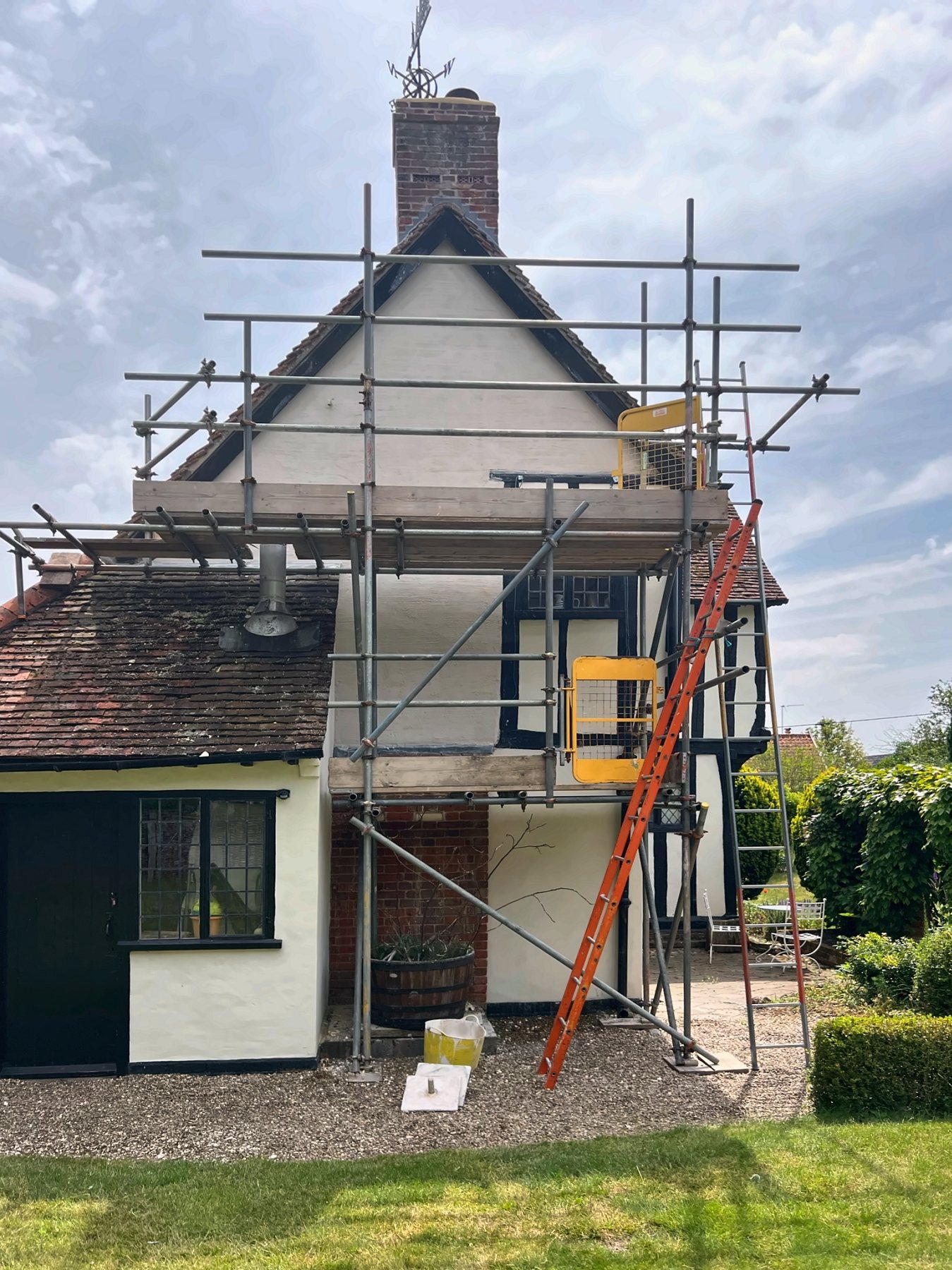
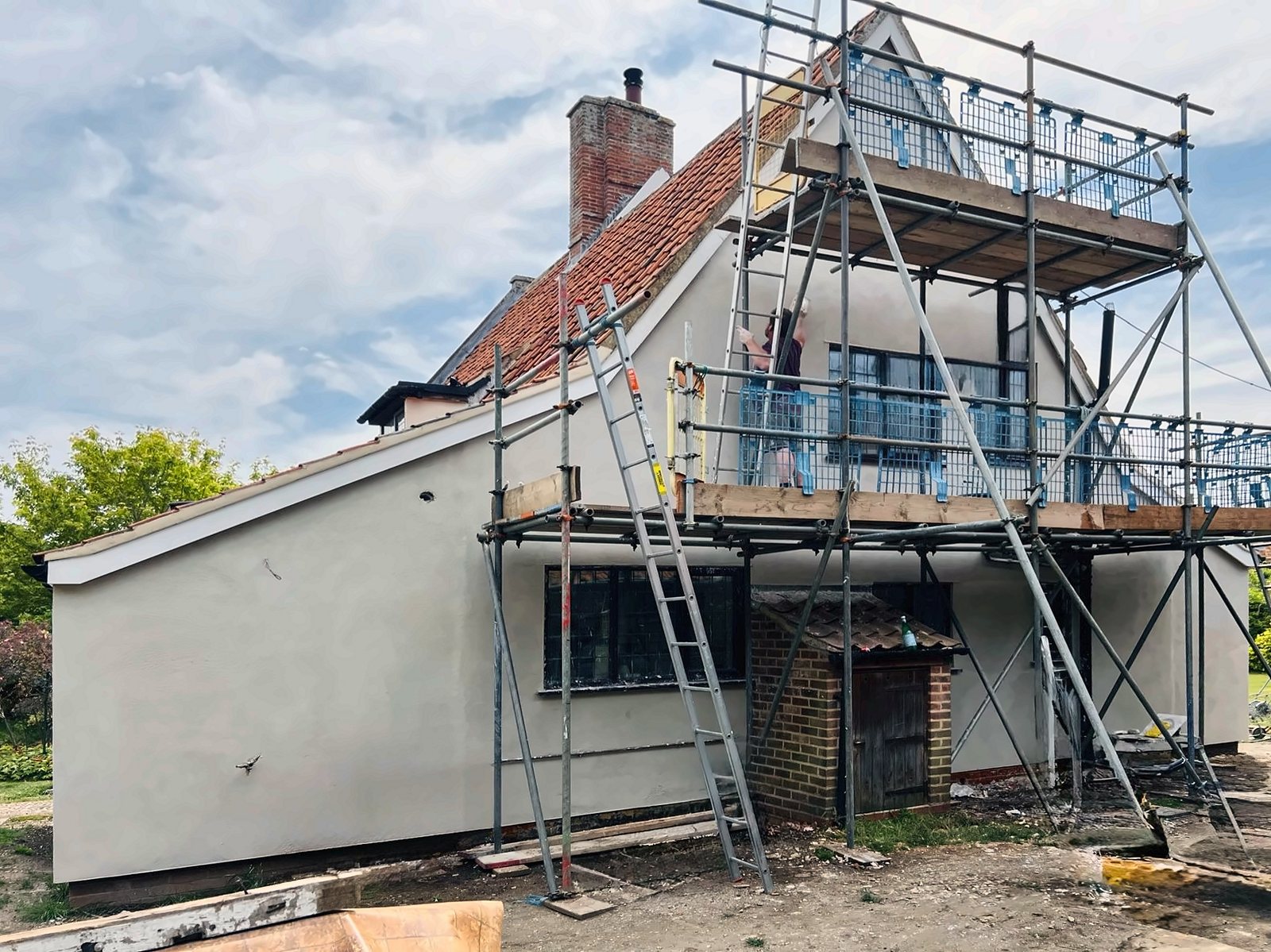
Why it matters
Listed doesn't mean limited. It means careful.
A listed building is protected because of its architectural or historic interest. Most plastering and rendering that affects its character needs Listed Building Consent before work can start.
Listed-building work requires an appropriate specification and any necessary consent before work begins.
Whatever the grade, we treat the consent process as part of the job rather than an afterthought.
Advisory services
Guidance before you commit
For owners and managers of listed buildings, alongside the plastering itself.
Pre-consent consultation
A site visit and a written view of what your project is likely to need for Listed Building Consent, before anything goes to the council.
Specification support
Help with the materials and methods statement conservation officers ask for: lime types, mixes and how they are applied.
Mortar and render matching
We look at the existing mortar or render and specify a lime mix that matches, so repairs sit quietly beside the original.
Conservation officer liaison
We can attend site meetings and answer technical questions directly, which takes the pressure off you.
Condition surveys
An honest assessment of plaster, render and pointing: what can be saved, what needs replacing and what can wait.
Phased planning
For larger restorations, a staged plan that works with lime's curing times and your budget rather than against both.
How it works
From first call to finished wall
A first conversation
Tell us about the building: its listing, its age and what has prompted the work. We'll say early on if consent is likely to be needed.
Site visit and assessment
We look at the existing fabric, identify what the walls are made of and check for damp, movement or unsuitable past repairs.
Specification and quotation
A written specification of materials, mix and method, suitable to support a consent application if you need one.
Consent and scheduling
We work to your council's timetable, then plan the work around the seasons and lime's curing times.
The work itself
Hand-applied lime plaster or render in the traditional coat sequence, with the time each coat needs to carbonate properly.
Common questions
What people usually ask
Do I need Listed Building Consent for plastering or rendering?
Can you use cement render on my listed cottage if it is cheaper?
How long does lime plastering take compared with modern plaster?
Do you work on unlisted period homes too?
Listed property?
Talk to us before you apply for consent
It costs nothing, and it could save you time and a refused application.